
We Were Here Tomorrow Asymmetric Coop Explained
What asymmetric co-op means in We Were Here Tomorrow, the three splits, voice-only teamwork, and a puzzle loop that keeps both players moving.
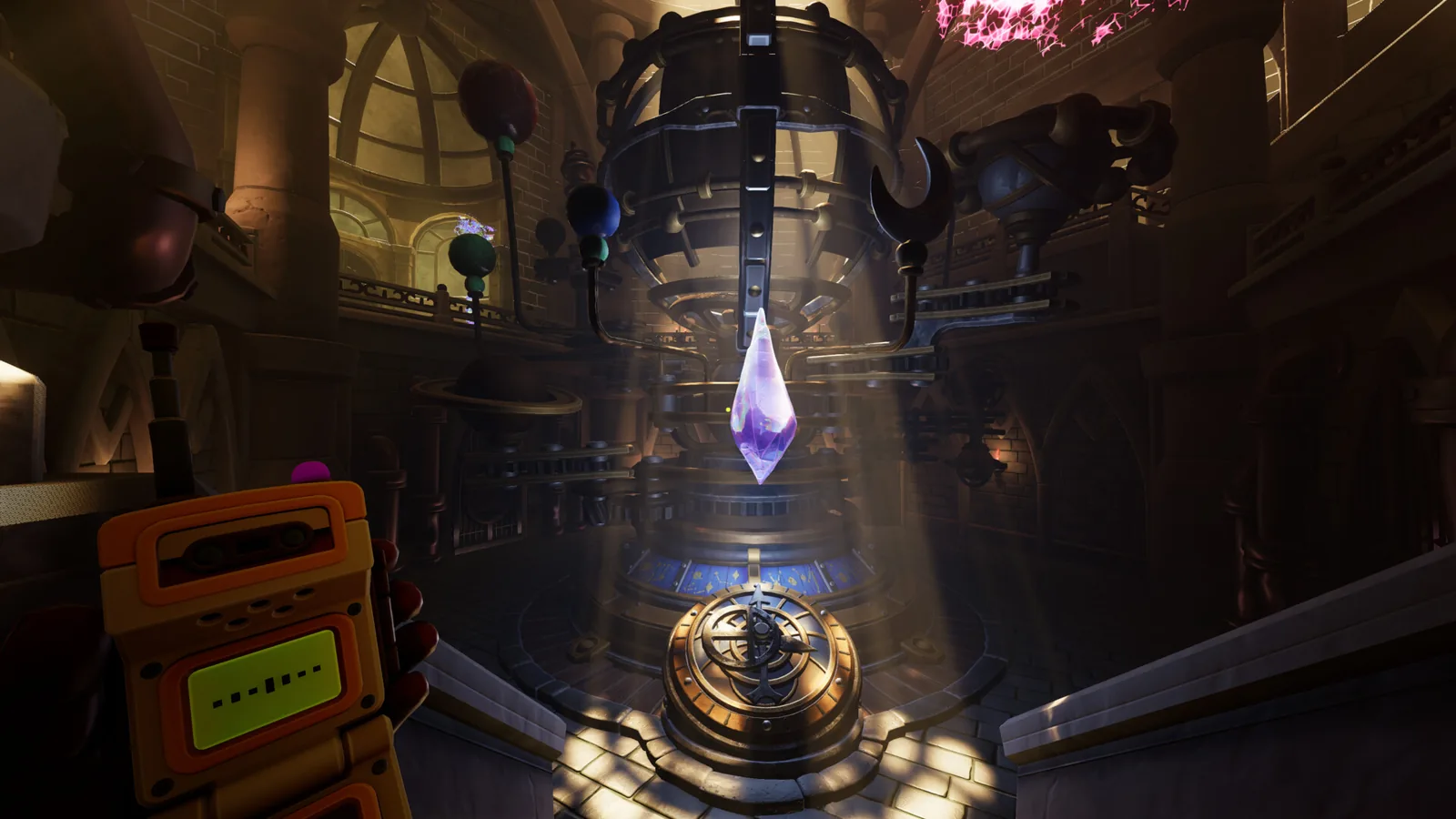
Table of Contents
In We Were Here Tomorrow, asymmetric co-op means you and your partner are handed different halves of the same problem: different rooms, different clues on screen, and different equipment in hand. The official Steam page describes a pair of Explorers who are often separated, each carrying their own high-tech tool, and it states that no two Explorers go through the facility the same way. Voice over the walkie-talkie is the only route between those two halves — which is why the game is sold as co-op only and lists a working PC-compatible microphone as a requirement rather than an optional extra.
That is the whole design in one sentence: nothing you can see on your own screen is a complete solution.
Where the split actually sits
The developer frames the asymmetry on three levels. The table below separates them, because each one fails in a different way during a session.
| Layer | What gets divided | What the game itself says | How it fails in practice |
|---|---|---|---|
| Space | You occupy different areas and usually cannot reach each other | The store page says the two Explorers are often separated | You waste minutes trying to walk to a room your partner is already standing in |
| Information | Each screen shows a different set of clues | The page asks players to describe what they see and merge two viewpoints; the demo announcement says each player sees different pieces | One of you starts solving a puzzle using only half the data |
| Ability | Each Explorer has a distinct role and their own device | "Two players, two distinct roles", with a tool per player; the developer's 21 September 2026 release-date announcement adds that these tools can be improved during the run | You wait for your partner to do something only your tool can do, or the reverse |
The third layer is the one that grows. Because tools can be upgraded as the story progresses, the gap between what each player can physically do widens over the roughly 15 hours the developer quotes for a playthrough — so habits you build in the first hour keep paying off later.
Voice is the only channel
The Steam listing is unusually blunt about prerequisites: the game is co-op only, both players need an internet connection, and both need a working PC-compatible microphone. Online co-op and cross-platform multiplayer are listed as features, so a PC player and a console player can be paired.
As of 2026-10-21, the official Steam page does not list a ping, marker, or text-chat system, and the walkie-talkie conversation is the communication method its description centres on. Plan accordingly: sort your microphone out before you start, not after the first puzzle stalls.
A short set of habits does most of the work. According to the fan guide at wewereheretomorrow.wiki, these are the behaviours that separate smooth pairs from stuck ones — they are player practice, not features the game enforces:
| Habit | Why it pays |
|---|---|
| Name positions instead of gesturing | "Third dial from the left" survives the trip through voice; "this one, here" does not |
| Keep narrating when nothing seems to be happening | A quiet call usually means one player is lost and has not admitted it yet |
| Repeat an instruction aloud before acting on it | Most mix-ups surface in the repetition, while nothing has moved yet |
| Confirm the outcome from both sides | A lever that responds for you may not have registered for your partner |
The same guide takes the view that streaming your screen to each other sidesteps the design entirely — reasonable advice, since a shared picture removes the information split the puzzles are built on.
A loop that keeps you unstuck
Community players describe a repeatable rhythm for the separated sections. It is a suggested way to work, not an in-game tutorial:
- Split. You land in different areas with different tools and no shared view.
- Survey. Each of you describes your room completely before touching anything.
- Hypothesize. Put the two descriptions together and agree on a theory out loud.
- Read back. Whoever is about to act repeats the instruction first, then acts.
- Verify. Check the result on both sides before anyone moves on.
Steps 4 and 5 are where most sessions are saved. The developer's own framing of the demo supports the same shape: the opening area's three cooperative puzzles were built to test teamwork, observation, and communication, which is exactly the order the loop runs in.
Choosing sides without spoilers
As of 2026-10-21, the official Steam page describes two distinct roles but does not name them or say which puzzles belong to which Explorer. That means there is no officially published "best" assignment — anyone who claims one is working from play, not from documentation.
What transfers from the series, according to the same fan guide, is a division of temperament rather than of content:
- Give the description-heavy side to whoever is patient with detail — charts, symbols, and dials reward precision.
- Give the timed, lever-pulling side to whoever stays calm under pressure.
- Agree on a call sign or colour at the start and keep it for the whole run; deciding mid-puzzle who "Orange" is costs time.
- On a second playthrough, swap sides. The community guide reports that the reversed run feels like a different game, which is the cheapest way to see the other half of the design.
Treat the assignment advice as player estimate. Which side feels harder shifts puzzle to puzzle, and no official per-side difficulty breakdown exists as of 2026-10-21.
What you are signing up for
| Detail | Value |
|---|---|
| Players | Two, online co-op only — no solo mode |
| Length | Around 15 hours, per the developer's launch-window announcements |
| Platforms | Steam, PlayStation 5, Xbox Series X|S, with crossplay across them |
| Release | 20 October 2026 |
| Hardware | Working PC-compatible microphone plus broadband internet, listed as required |
| Demo | The 2026 demo covered the facility's opening area and contained three co-op puzzles; the developer's news hub announced its removal on 3 August 2026 |
Next steps
- We Were Here Tomorrow co-op setup — get both players into the same session before you worry about puzzle technique.
- We Were Here Tomorrow roles explained — what is actually known about the two Explorers and their tools.
- We Were Here Tomorrow walkthrough — for when the describe-and-verify loop has run out of ideas.
FAQ
Is We Were Here Tomorrow asymmetric co-op?
Yes. The official Steam page describes asymmetrical co-op puzzling in which the two Explorers see the facility differently, hold different roles and tools, and have to combine their perspectives to get anywhere.
Do both players need a microphone?
Yes. The Steam listing states the game is co-op only and that each player needs a working PC-compatible microphone and an internet connection.
Can one player do everything?
No. Roles and tools are split between the two Explorers, and the store page describes obstacles that neither player could clear alone — so some actions belong to one side only.
Is the game harder for one player?
The fan guide reports that difficulty shifts by puzzle, loading one side with description and the other with execution, and says it evens out across a run. That is player experience; as of 2026-10-21 the official Steam page publishes no per-side difficulty information.
Related Articles
Continue Reading
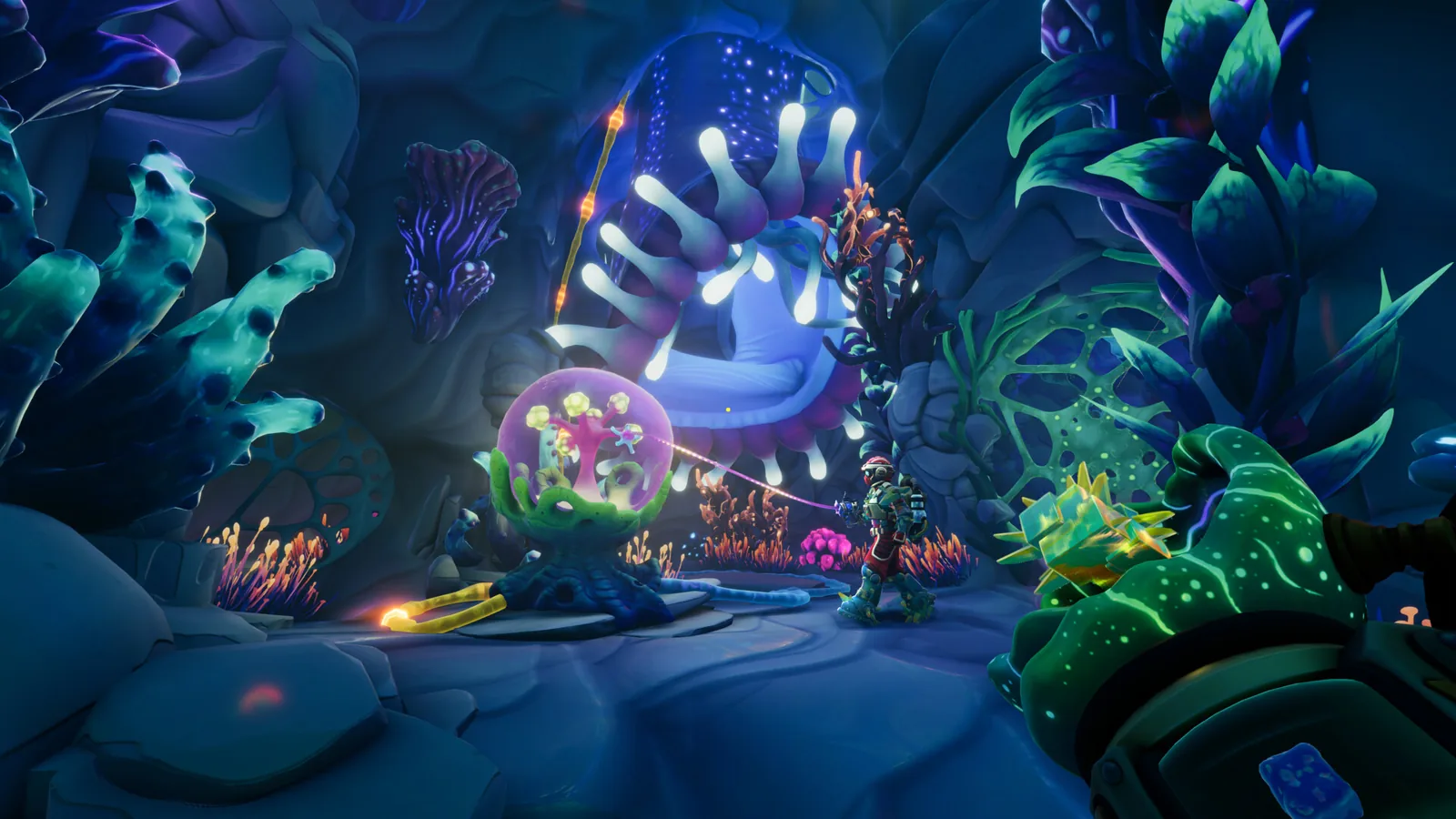
coop: Two-Player Co-op Guide and Setup
We Were Here Tomorrow coop is a two-player, co-op only online puzzle adventure with asymmetric roles, required mics and Steam cross-platform multiplayer.
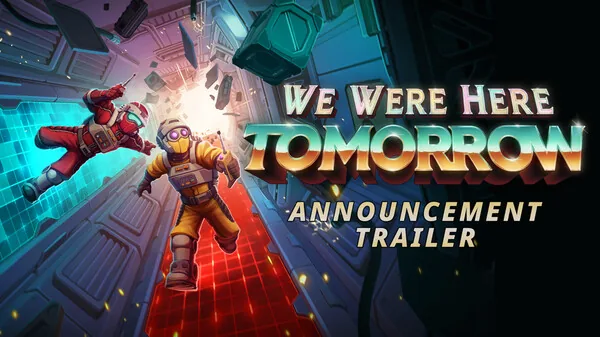
Roles Explained
How We Were Here Tomorrow's two asymmetric co-op roles work, what the Steam page and reveal trailer confirm, and what remains unannounced.
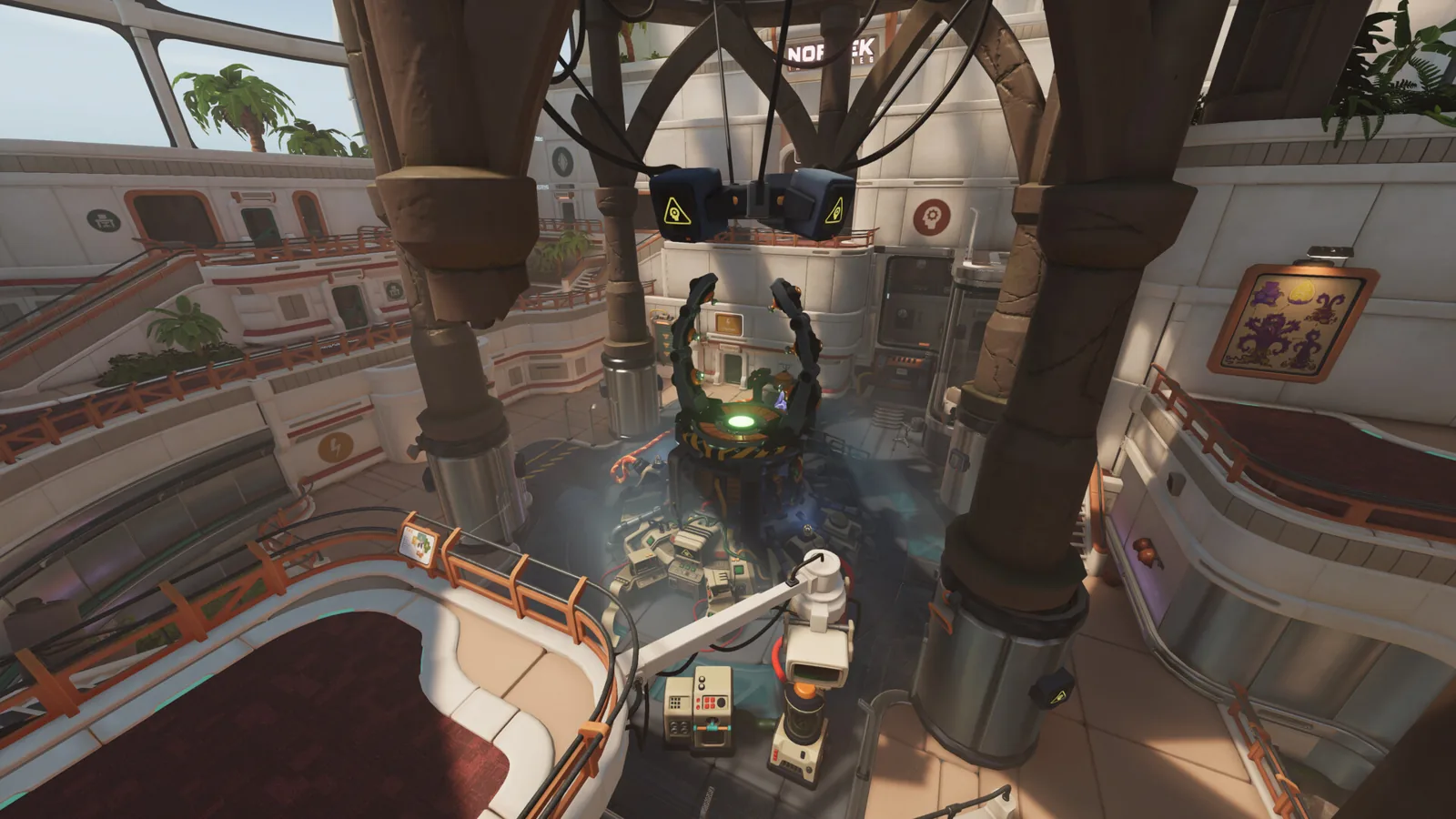
Crossplay
Does We Were Here Tomorrow support crossplay? The Steam page lists Cross-Platform Multiplayer for this two-player online co-op game.
Friend Pass Availability (2026)
No Friend Pass is listed for We Were Here Tomorrow on Steam as of 2026-10-14. Here is what multiplayer and crossplay info is confirmed.
Norcek Director Explained
Who runs the Norcek facility in We Were Here Tomorrow, what Director Kathleen Bowe wants, and which lore details the developer has confirmed.
Lore Explained
Learn the story premise, Norček Industries mystery, time rifts, and practical co-op details for We Were Here Tomorrow.